


Safety Guide
Lithium-ion Battery Safety Guide For Industrial Users
LG Energy Solution prioritizes customer safety and provides the following safety guidelines to prevent accidents caused by misuse of lithium-ion batteries. Please strictly comply with this safety guide and the full guide attached. This guide applies to handling and using LG Energy Solution's lithium-ion battery units (cells/modules/packs) and systems equipped with these units (electric vehicles, energy storage systems, etc.), excluding ESS batteries.
This guide represents minimum requirements, and LG Energy Solution will not assume legal responsibility for any damage to products, fires, explosions, or resulting personal and property damage that occurs due to non-compliance with these guidelines. Please make sure to comply with the full safety guide attached.
The content of this safety guide may be periodically updated or revised as the scope of product environmental regulations expands.
1. Major Risks and Precautions
- Lithium-ion Battery Unit contains intensive energy, and it can cause fire or explosion when misused or mishandled, leading to severe injury or property damage.
- Lithium-ion battery cells/modules lack control functions itself, so they must be used in battery pack form.
- Do not use lithium-ion battery units in applications not pre-approved by LG or in products not discussed with LG.
2. Precautions for Use and Handling
- Use lithium-ion battery units only in pre-approved applications, and familiarize yourself with and comply with the latest version of the product specifications before use.
- Do not use in environments with high static electricity, and wear protective equipment when handling.
- Take care to prevent damage to the product during handling, verify the (+), (‐) tabs/terminals, and use them correctly.
- Strictly follow product specifications and charging manuals during charging, and use genuine chargers or globally standardized chargers officially certified by UL/IEC/EC/KC for charging.
- If smoke, odor, swelling, discoloration, overheating, or other abnormal behavior occurs during charging, immediately stop charging and notify LG Energy Solution of the situation.
- Do not charge for extended periods, and disconnect the charger after full charge.
- Store while strictly adhering to specified storage conditions (temperature/humidity, stacking count, etc.), and do not overload.
- Insulate the tabs/terminals during storage, and do not store with charger connected or in fully charged/fully discharged state.
- Keep the original packaging intact until use, and disconnect from the system if unused for extended periods.
3. Prohibitions
- Do not disassemble or modify products without LG's permission.
- Do not apply strong impacts, pressure, or heat to products, and do not expose products to moisture.
- Do not force discharge products, and do not store products with metal objects.
- Do not use damaged or dropped batteries.
- Do not use battery products of different types, formats, sizes, specifications, etc. together.
4. Precautions for Lithium-Ion Battery Packs/Systems
- Do not use batteries that have been subjected to impact or damage, or batteries showing external damage, leakage, odor, or rust for pack manufacturing.
- Verify the (+), (‐) terminal condition to prevent short circuits, connect in the correct direction, and ensure terminals are not connected to conductors.
- Do not mix lithium-ion battery units of different manufacturers, models, or specifications.
- Restrict individual consumers (or end-users) from using batteries with significantly reduced usage time or batteries that have reached EOL (End of Life).
- Prevent individual consumers (or end-users) from recharging or using products when battery voltage falls below the minimum discharge voltage.
- Equip battery packs with diagnostic functions by
complying with contents specified in documents (check
sheets, product specifications) discussed with LG.
LG Energy Solution will not assume legal responsibility for all external quality issues resulting from exclusion/omission of functions agreed to be equipped.
Energy Storage System(ESS) Product Safety Guide
ESS batteries contain electrical, physical, chemical, and environmental risks. Strict adherence to these safety guidelines is required.
This safety guide applies to both Grid ESS and Residential ESS. Some
sections are tailored to the specific characteristics of each
system.
Please refer to the full document for
details.
The content of this safety guide may be periodically updated or revised as the scope of product environmental regulations expands.
1. Electrical Hazards
- LG Energy Solution ESS products are safe under
normal conditions. However, damaged batteries may
pose high-voltage and electric shock risks.
Exercise caution if the enclosure, rack, pack, or safety circuit is damaged. - Do not immerse the battery pack in liquid, puncture, break, short-circuit, incinerate, or forcibly discharge it. These actions can result in Internal or external short circuits, leading to severe overheating.
2. Mechanical Damage Risks
- Store battery packs in their original packaging to prevent mechanical damage.
- Dropping battery products can cause severe damage.
Conduct a visual inspection after a drop, and
discontinue use if damage is suspected.
Damaged batteries should be stored separately and transported in an insulated condition.
3. High-Temperature Exposure Risk
- ESS batteries operate normally at 0–40°C and <85% non-condensing humidity.
- At 80°C or higher, electrolyte leakage may occur.
- Exposure to temperatures above 150°C for several minutes can cause thermal runaway and fire risk.
4. Electrolyte Leakage Risk
- Mechanical damage may cause electrolyte leakage from
the cell. Leaked electrolyte contains volatile
organic compounds and fluorine compounds,
which can irritate skin and respiratory system. - In the event of a leak, immediately ventilate the area and handle it while wearing appropriate personal protective equipment.
5. Emission Gas Risk
- ESS batteries do not emit gases during normal operation. However, severe thermal runaway or abnormal heating may cause gas emissions, which can be flammable and toxic. Avoid exposure and immediately notify local fire services and emergency responders.
6. Fire Response
- If a high-temperature event occurs in the battery
enclosure, do not open the enclosure door, as it may
explode. Stay at least 10 meters away from the
enclosure.
Immediately report any smoke or fire to the nearest fire department and LG Energy Solution representative. - In the event of fire department dispatch, whether to proceed with additional water application to the exterior of the enclosure must be executed in consultation with LG Energy Solution representatives.
- Do not cut off internal power to ensure the Active Ventilation System (AVS) operates properly (except when AVS is powered by an UPS).
- Water is the most effective extinguishing agent for battery fires. Use large amounts of water to cool the cells and suppress thermal runaway propagation.
7. Handling and Storage
- Do not expose batteries to extreme temperatures or fire, disassemble or compress them, puncture them, overcharge or over-discharge them, short-circuit the positive and negative terminals, or place them on conductive metal surfaces.
- Always wear insulated gloves and protective equipment when handling ESS batteries.
- Store batteries away from direct sunlight, high temperatures, and moisture.
- Charging without approval from LG Energy Solution is prohibited. Only charging and discharging through compatible inverters are allowed. Even if forced charging is necessary, it is prohibited for anyone other than LG Energy Solution / ASC personnel to perform forced charging.
Lithium-ion Battery Safety Guide For End-users
1. Overview
LG Energy Solution prioritizes user safety and provides the following safety guidelines to prevent accidents caused by the misuse of lithium-ion batteries.
- This end-user safety guide is intended solely as a reference for general information about LG Energy Solution’s lithium-ion battery products.
-
LG Energy Solution is not responsible for any damage,
loss, injury, or property damage arising from the
following situations:
- Use of products obtained through unauthorized or illegal distribution channels.
- Use of products that have been disassembled, reassembled, modified, or altered without LG Energy Solution’s approval.
- Use in a manner that conflicts with the instructions and safety guidelines provided by the final product manufacturer.
- Use of the information in this guide for unintended purposes or in unintended ways.
- Lithium-ion batteries can pose serious risks, including fire, explosion, severe injury, or death if misused. Always purchase the final products through official channels and use them according to the final product manufacturer’s instructions.
LG Energy Solution provides no express or implied warranties, including but not limited to merchantability or fitness for a particular purpose, regarding the information in this guide.
2. Battery Cell and Module Safety Warnings
All lithium-ion battery cells and modules sold by LG Energy Solution are industrial components that must be used in the battery pack with protective circuitry*. They are not designed or manufactured for sale or use by individual consumers (or end-users). LG Energy Solution does not sell battery cells or modules to individual consumers (or end-users) through any retail, e-commerce, or auction channels.
 Protective circuitry :
A component part mounted externally on lithium-ion battery cells
or modules that protects against abnormal operation such as
overcharging, over-discharging, overcurrent, and
overheating. This includes Battery Management Systems (BMS).
Protective circuitry :
A component part mounted externally on lithium-ion battery cells
or modules that protects against abnormal operation such as
overcharging, over-discharging, overcurrent, and
overheating. This includes Battery Management Systems (BMS).
-
- Handling lithium-ion battery cells or modules as an individual consumer (or end-users) may result in fire or explosion accidents. LG Energy Solution is not responsible for any physical, property, or personal injury resulting from such incidents.
- Do not use LG Energy Solution-manufactured lithium-ion battery cells or modules in devices intended for individual consumer (or end-user) use, such as e-cigarettes or portable lanterns, where they are meant to be replaced, removed, or recharged by the user.
- Do not remove lithium-ion battery cells or modules from a battery pack, as this may damage the protective circuitry or the cells.
- LG Energy Solution does not distribute or sell
lithium-ion batteries through retail,
e-commerce, or auction channels.
Do not purchase LG Energy Solution lithium-ion battery cells or modules from these sources for sale or use.
For battery safety usage guidance, please refer to the following videos:
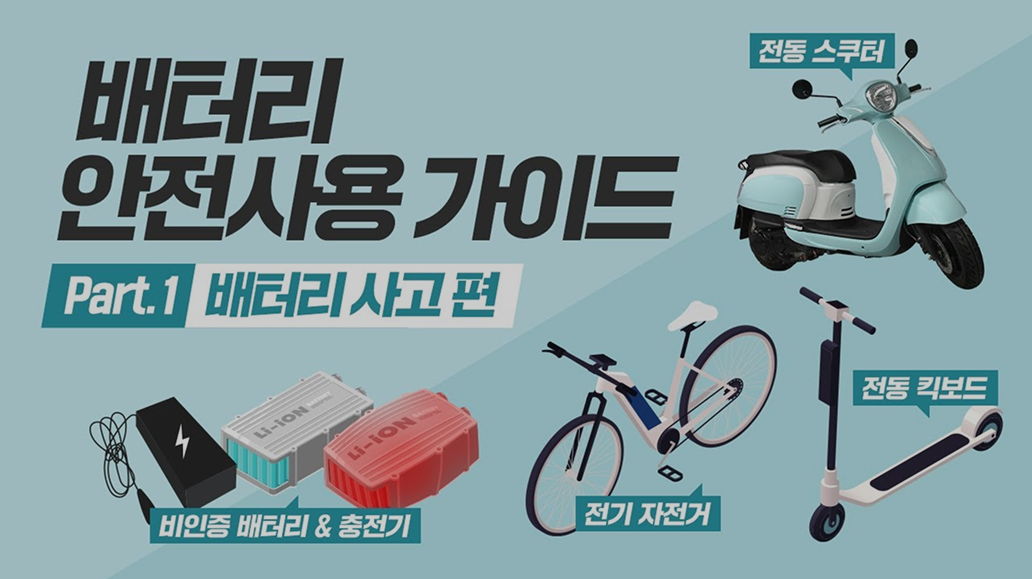
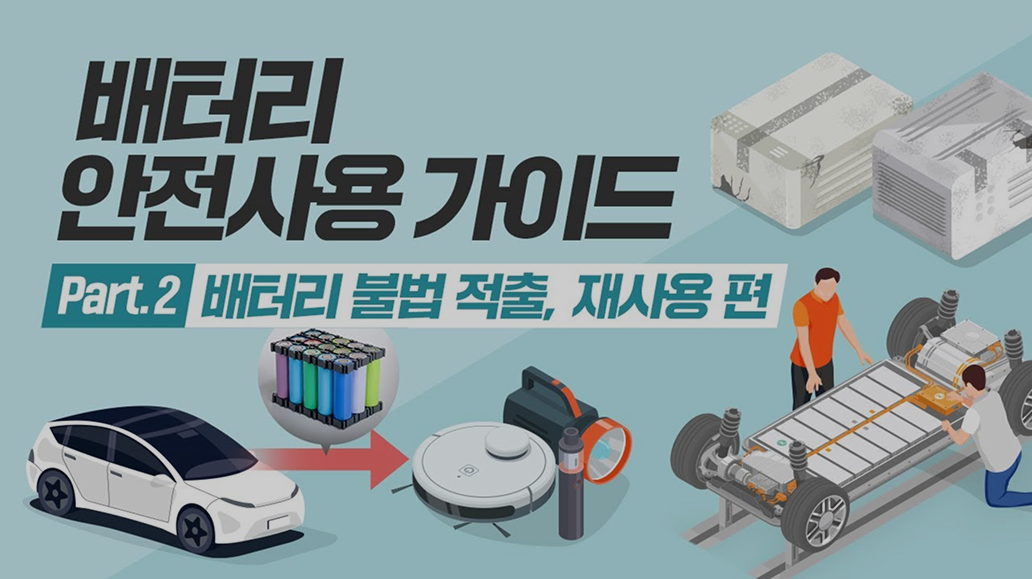
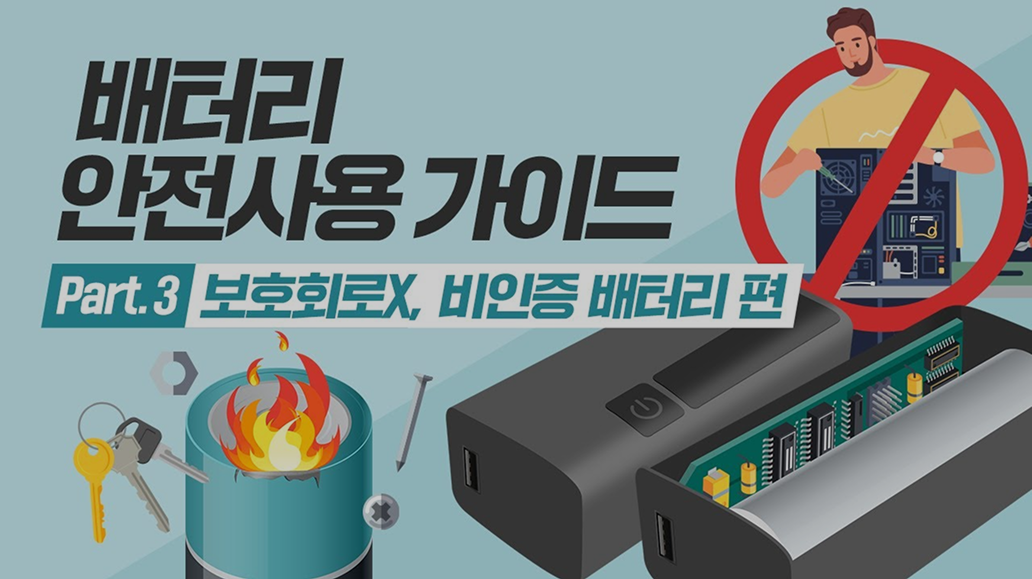
3. LG Energy Solution’s Sales Policy
All content in this section applies to all products manufactured by LG Energy Solution, except for the “Residential ESS Final Product”*.
Residential ESS Final Product :
A final product manufactured by combining the residential ESS
battery modules/packs with a Battery Management System (BMS),
Battery Protection Unit (BPU), DC-DC Converter, or Battery
Control Unit (BCU).
3A: Prohibition of Sales to Individual Consumers (or End-users)
LG Energy Solution sells products only to contracted business partners (battery pack manufacturers, system manufacturers, distributors, etc.). We do not sell products through retail, e-commerce, or auction channels for use by individual consumers (or end-users).
| Category | Sales Channel | Permissibility |
|---|---|---|
| Legal Sale |
LG Energy Solution

|
Permitted |
| Illegal Sale |
Retailers, E-commerce, Auctions, etc
|
Prohibited (Risk of Fire/Explosion) |
※ Exception : Residential ESS Final Product*are sold for use by individual consumers. All other products (including residential ESS battery cells, modules, and packs) are never sold for use by individual consumers (or end-users)
Lithium-ion batteries store a large amount of energy and can cause fire or explosion if misused, leading to serious personal injury or property damage.
Even if you have purchased an LG Energy
Solution product through retail, e-commerce, or auction
channels, do not use it.
If you witness LG Energy Solution products being promoted,
distributed, or sold through these channels, this is illegal
trading, so please notify LG Energy Solution.
3B: Restrictions on Sales and Usage Permissions
-
Prohibition of Leakage and Sales
to Individual Consumers (or end-users):
LG Energy Solution strictly prohibits any leakage of its products by contracted partners or any direct/indirect sales to individual consumers (or end-users). Therefore, any LG Energy Solution battery products sold to individual consumers through retail, e-commerce, or auction channels are products that have been illegally leaked.※ Exception: Residential ESS Final Product*
Contracted distributors of LG Energy Solution may sell the Residential ESS Final Product (final product with BMS and BPU) to individual consumers (or end-users). -
No Authorization for
Manufacturing Products for Individual Consumer (or
end-user) Use :
LG Energy Solution has not authorized any manufacturers of products such as e-cigarettes or portable lanterns—where individual consumers (or end-users) can independently replace, remove, or recharge lithium-ion battery cells or modules—to use our products. - LG Energy Solution has not authorized, approved, or
intended for any retailer, e-commerce site, or auction
company to sell our products to individual consumers
(or end-users). - LG Energy Solution has not authorized any third party to allow individual consumers (or end-users) to directly charge, remove, or replace lithium-ion batteries.
4. Purpose of Product Design/Manufacturing
All content in this section applies to all products manufactured by LG Energy Solution, except for the Residential ESS Final Product*.
Residential ESS Final Product :
A final product manufactured by combining the residential ESS
battery modules/packs with a Battery Management System (BMS),
Battery Protection Unit (BPU), DC-DC Converter, or Battery
Control Unit (BCU).
- LG Energy Solution’s lithium-ion battery products are industrial components, not designed or manufactured for sale or use by individual consumers (end-users).
- LG Energy Solution designs and manufactures its products exclusively for sale to battery pack manufacturers or final product manufacturers.
- These manufacturers must ensure that the packs/final products they produce include necessary safety functions and protective circuitry to safeguard individual consumers (or end-users) from fire or explosion risks caused by improper handling.
5. Precautions for Product Disposal
Under the Extended Producer Responsibility (EPR) system, battery cells, modules, packs, and electronic products containing batteries must be properly collected and recycled by the product manufacturers.
-
- Seal the (+) and (–) terminals or connection points of the lithium-ion battery cell, module, or pack with tape to prevent contact with other batteries or metal objects.
- Do not stack or store lithium-ion battery cells, modules, or packs with other items in bags or boxes, or store them with other batteries. Avoid placing metal objects near them. Do not store lithium-ion battery cells with coins, keys, or other metal objects in pockets or bags.
- Do not dispose of lithium-ion batteries as general waste. Do not dispose of lithium-ion batteries in fire.
- For further details, contact your local waste management authority or the retailer where you purchased the product.
-
- Do not attempt to remove the battery from the product. Return the final product with the battery installed to its manufacturer. Exception: For replaceable battery models, follow the manufacturer’s instructions for battery removal.
- Do not dispose of final products with batteries as general waste. Do not dispose of final products with batteries in fire.
- For further details, contact your local waste management authority or the retailer where you purchased the product.
Waste Battery Transport and Disposal Guidelines
1. Transport and Disposal Precautions
- Always comply with local and national waste management regulations when transporting or disposing of batteries.
-
Do not discard lithium-ion batteries in household waste
or general trash bins.
- For disposal or recycling procedures, contact your local waste management authority or the place of purchase.
- Seal the battery terminals (+) and (–) with insulating tape or terminal caps to prevent short circuits.
- Do not transport or dispose of LG Energy Solution lithium-ion batteries together with other types of batteries.
- Damaged batteries must be stabilized (e.g., via saline
treatment) and securely packaged in accordance with DDR
packaging requirements.
Also, appropriate hazardous material labels must be attached. - When transporting batteries, ensure compliance with ADR (European Agreement concerning the International Carriage of Dangerous Goods by Road) and other relevant regulations.
-
Do not store lithium-ion batteries with other items in
uncertified containers such as bags, drawers, or boxes.
- Used batteries may retain residual charge and storing them with other items may lead to overheating and fire.
- In the event of a fire during transport, it must be promptly reported to the fire department for appropriate response.
- For safety assurance and improved recycling efficiency, please discharge the battery using an electrical discharge method prior to disposal.
2. Precautions for Disposal of ESS, Portable, and Automotive Batteries
-
Do not use or store the following types of batteries
under any circumstances. Dispose of them immediately in
accordance with local regulations:
- Batteries that have experienced abnormal reactions such as electrical shock, drops, impact, fire (including high heat), or moisture ingress.
- Batteries with visible external damage such as deformation, breakage, rupture, swelling, or corrosion.
- Batteries exhibiting abnormal performance or suspected malfunction.
- In accordance with the EU Battery Regulation, these batteries are designed to enable reuse, disassembly, and material recovery where technically and economically feasible.
- During the disposal process, separate collection and appropriate treatment methods are recommended to enable resource circulation.
- LG Energy Solution prohibits unauthorized reuse, resale, or non-approved disposal methods, and for any losses or damages resulting from such actions.
Catalog Download
Consent to Collection and Use
of Personal Information
LG Energy Solution collects and uses personal information as follows for the purpose of providing downloads and responding to inquiries.
-
Items Collected
Name, Email, Company Name
-
Purpose of Use
Consent to Receive Marketing Information
-
Method of Provision
Email
-
Retention & Use Period
Retained for one (1) year from the date of collection, then destroyed
-
Right to Refuse and Disadvantage
You may refuse to provide consent; however, in such cases, access to certain content may be restricted.
Consent to Receive Marketing Information
LG Energy Solution uses personal information to provide useful information such as promotions and newsletters:
-
Items Collected
Name, Email, Company Name
-
Purpose of Use
Consent to Receive Marketing Information
-
Method of Provision
Email
-
Retention & Use Period
Retained for one (1) year from the date of collection, then destroyed
-
Right to Refuse and Disadvantage
You may refuse to consent; however, in such cases, content may not be provided.
Consent to Overseas Transfer of Personal Information
LG Energy Solution uses cloud systems to manage your information securely. Accordingly, your personal information may be transferred overseas.
-
Recipient
Microsoft
-
Country
United States
-
Items Transferred
Name, Email, Company Name
-
Purpose of Transfer
Data storage and system operation
-
Method of Transfer
Transmitted over network immediately upon collection
-
Retention & Use Period
Retained for one (1) year from the date of collection, then destroyed
-
Right to Refuse and Disadvantage
You may refuse to consent; however, in such cases, content may not be provided.
Download
이메일 무단 수집 거부

본 홈페이지에 게시된 이메일 주소가
자동 수집되는 것을 거부하며,
이를 위반 시 정보통신망법에 의해
처벌됨을 유념하시기 바랍니다.
불법 대응 센터
http://www.spamcop.or.kr